Tesla FSD Flaws Exposed: Costly Crash Highlights Over-Reliance
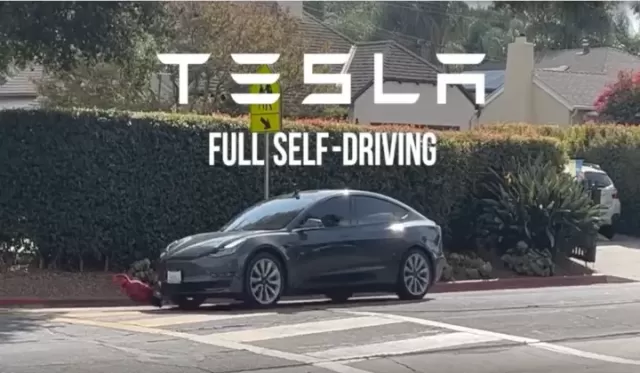
A Tesla influencer, known online as Bearded Tesla Guy, recently embarked on an ambitious cross-country journey, aiming to rely solely on Tesla's Full Self-Driving (Supervised) system. However, the trip encountered a significant setback shortly after departure.
Just outside San Diego, the 2026 Tesla Model Y Juniper, traveling at a reported 77 mph, collided with a large metallic object obstructing the roadway. While neither the driver nor his passenger sustained injuries, the incident brought the limitations of the FSD system into sharp focus.
Footage captured from inside the vehicle shows the occupants initially mistaking the object for roadkill. As they drew closer, it became clear that it was a sizable piece of metal, but the vehicle's speed and the system's failure to react made avoidance impossible. The Model Y struck the object with considerable force, briefly becoming airborne. Shockingly, the FSD system did not engage the brakes or attempt to steer clear of the hazard.
Following the impact, an inspection revealed underbody damage. Although the vehicle remained drivable, the incident cast a shadow over the rest of the journey. Further down the road, charging problems surfaced, eventually necessitating a stop at a Tesla Service Center in Tucson, Arizona. Technicians diagnosed the need for a complete battery pack replacement, along with repairs to the suspension system.
While the battery replacement was ultimately covered under warranty due to pre-existing chemical issues, the remaining repairs, including suspension work, amounted to a hefty $20,000 bill.
This event serves as a stark reminder of the importance of vigilance when using driver-assistance technologies. While Tesla's FSD (Supervised) represents a cutting-edge advancement, it's far from infallible, and drivers must maintain constant awareness to prevent accidents.
Ultimately, the responsibility for avoiding stationary objects on the road rests with the driver, regardless of whether FSD or any other driver-assistance system is active. Real-world traffic conditions are not a testing ground for pushing the boundaries of semi-autonomous technology. This incident underscores both the potential and the current limitations of Tesla's system, highlighting the crucial role of the human driver as the final safeguard.