Tesla Faces California Sales Halt Over Autopilot Claims
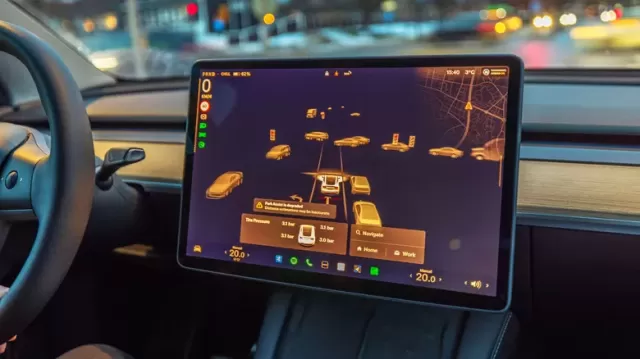
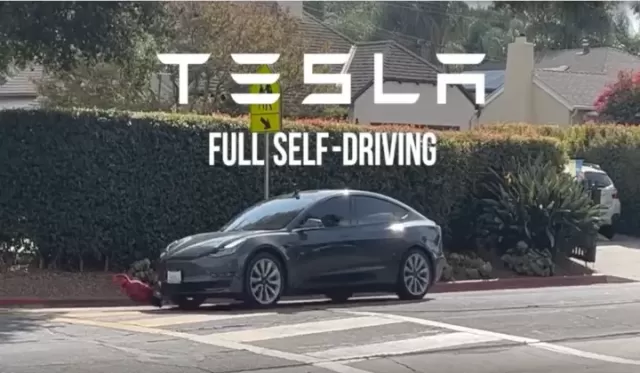
An administrative law judge has found Tesla guilty of deceptive marketing practices. The judge ruled that the company misled consumers about the capabilities of its Autopilot and Full Self-Driving (FSD) driver assistance software, creating a false impression of the technology's autonomy. This landmark decision stems from a protracted case initiated by California's Department of Motor Vehicles (DMV).
California DMV Seeks Sales Suspension
The judge sided with the California DMV's request for a 30-day suspension of Tesla sales in the state as a penalty. However, the DMV has temporarily halted this order, granting Tesla a 60-day grace period. During this time, Tesla must either revise or remove any misleading language from its marketing materials. Failure to comply could result in the sales suspension being enacted. The judge also recommended a 30-day suspension of Tesla's manufacturing license, but this order has also been stayed by the DMV, according to news reports.
DMV director Steve Gordon emphasized the department's commitment to upholding stringent safety standards for all vehicle manufacturers. He stated that Tesla can easily resolve the issue by taking straightforward steps, similar to those adopted by other autonomous vehicle and traditional automotive companies operating within California's innovative environment.
Tesla Responds with Defiance
In a post on X, Tesla declared that sales in California would continue without interruption. The company characterized the DMV's decision as a "consumer protection" measure in a case where no customers had reported issues with the software. Tesla asserted that its marketing is protected speech.
Uncertainty Over Compliance and Future Actions
Following the 60-day period, Tesla has the option to appeal the ruling. If Tesla complies with the DMV's directives, the proposed suspensions will be rescinded. However, the specific actions required by the DMV, beyond addressing the use of the term "Autopilot," remain unclear. The DMV has not yet provided further clarification and has not responded to inquiries regarding Tesla's apparent intention to disregard the decision.
Pattern of Scrutiny for Tesla's Marketing
This is not the first instance of Tesla facing allegations of misleading marketing regarding its partially autonomous systems. The company has been the subject of numerous investigations by entities including the California Attorney General, the Department of Justice, and the Securities and Exchange Commission. Furthermore, Tesla has settled several civil lawsuits related to accidents involving its Autopilot technology.
Impact of Potential Sales Halt
The protracted legal battle has been ongoing for years within California's Office of Administrative Hearings. The DMV's core accusation is that Tesla's marketing led customers to believe its advanced driver assistance systems offered higher levels of autonomy than they actually provide. This perceived overconfidence, the DMV alleges, has contributed to numerous crashes and fatalities. The potential for a sales shutdown in California, even if temporary, could significantly impact Tesla's business, given that California is its largest U.S. market. A manufacturing suspension would also pose a challenge, despite Tesla's significant operations in Texas, as its Fremont, California, plant remains crucial for producing hundreds of thousands of vehicles, including all Model 3 sedans destined for North America.
Tesla's Robotaxi Developments Amidst Legal Battles
This development comes as Tesla is actively testing its Robotaxi service in Austin, Texas. The company recently removed safety monitors from its small fleet operating in the city, following six months of offering rides with a monitor present. Tesla CEO Elon Musk has indicated that these Robotaxis utilize a different version of the company's driving software compared to what is available to consumers.