Telo MT1: Electric Minivan Needs These Refinements to Succeed
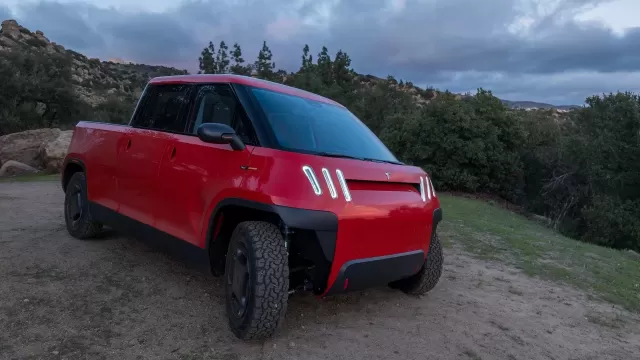
Telo's bold vision of an all-electric minitruck, the MT1, is gaining momentum. Fresh off securing $20 million in Series A funding, the startup is hard at work refining its concept, showcased in two existing prototypes. We had the chance to test drive the second prototype and offer some key areas of focus as Telo aims for a 2026 production launch.
Optimizing Comfort and Space
While the MT1 impressively accommodates even taller drivers (as a 6'10" tester can attest), fine-tuning the ergonomics is paramount.
- A steering column with greater tilt and telescoping adjustability is essential for a natural reach.
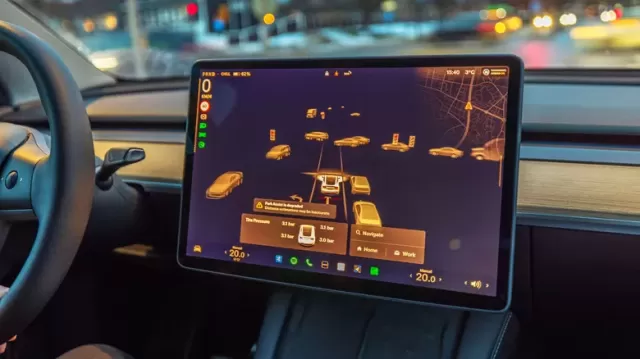
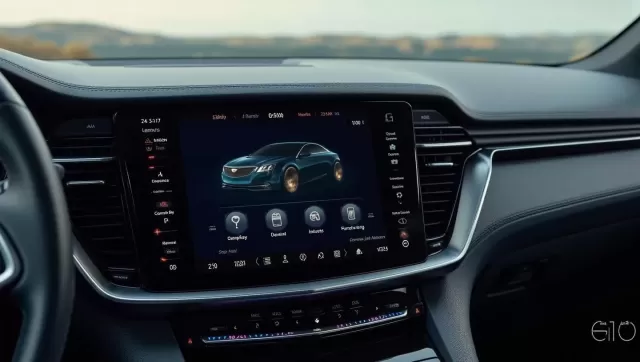
- Repositioning the dashboard screens for better visibility is crucial.
- Maximizing front seat travel will create valuable legroom, especially considering the limited space for rear passengers.
Rethinking the Third Row
Telo's ambition to offer an optional third-row seat, fitting into the bed under a cap, feels like a step too far. While showcasing their packaging prowess, squeezing seven or eight passengers into such a small vehicle seems more like a gimmick than a practical solution. The focus should remain on perfecting the core functionality and prioritizing essential features like the under-bed storage tunnel. Scrap the third row.
Balancing Interior Premium and Durability
The current interior design blends patterned fabrics, cork accents, and aluminum, creating an attractive and comfortable space, especially the prototype's light blue interior. However, for a vehicle intended for work applications – small business owners, contractors, and municipal fleets – these materials might not hold up.
Telo should prioritize robust, hard-wearing materials that can withstand daily use.
Alternatively, offering a work-focused trim with more durable materials could be a viable option and potentially lower the MT1's approximate $41,000 starting price.
The Imperative of Physical Controls
The MT1 must incorporate physical buttons. Ditching physical controls entirely in favor of a touchscreen-only interface is a common pitfall. Customer feedback increasingly shows that users dislike this approach. Simple controls for media, climate, driver assistance, and the glove compartment are essential. Even if the infotainment system is user-friendly, buttons are necessary.
A Solid Roof Solution
The glass roof, a trend in many new EVs, introduces unnecessary cost, complexity, and potential drawbacks like excessive heat and light.
A solid roof is the sensible solution. Buyers will be more attracted to the MT1's unique attributes than a feature that has been copied from mainstream EVs.
Addressing Noise Levels
Excessive wind and road noise permeated the cabin above 30 mph. Reducing this noise is vital for a production-ready vehicle, potentially through increased sound deadening. Addressing this requires more than just hoping, and wind tunnel testing would be worthwhile.
Prioritizing Safety
The MT1's unique design places occupants closer to the front of the vehicle. Demonstrating the vehicle's ability to meet safety and crash standards is paramount. This should be at the forefront of messaging.
Promising Driving Dynamics
While the MT1 prototype requires further refinement, its performance is encouraging for such an early unit. Polishing the ride, accelerator response, and steering feel are necessary. One thing that is great is the 500 horsepower.
From this point, Telo must refine the details and features and not overhaul the vehicle entirely. The MT1 is a legitimate truck and it has potential.