Stellantis CEO's Optimism, Brand Review, and EV Strategy
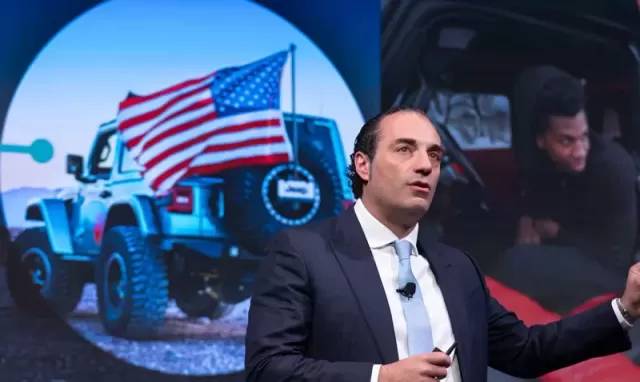
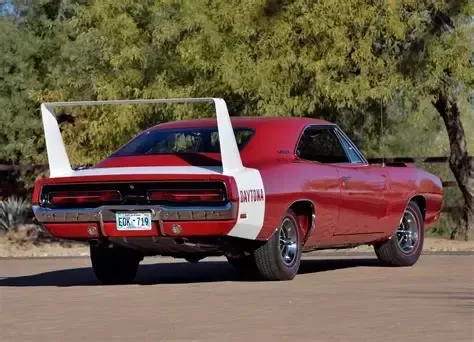
Stellantis CEO Antonio Filosa, just six months into his tenure, expressed significant optimism regarding the automotive giant's trajectory. He acknowledged the company's extensive portfolio of 15 brands, hinting at potential strategic adjustments without outright commitment to retaining every single one. Filosa indicated that a comprehensive review of the brand lineup will be a key topic at the upcoming Capital Markets Day in 2026. He views the current brand diversity, which includes prominent names like Jeep, Ram, Dodge, and Chrysler alongside European marques and a stake in Leapmotor, as a significant advantage.
Filosa described his experience at the helm of Stellantis as incredibly rewarding, stating he is "having a blast." He emphasized his passion for the role, the people he works with, and the brands under his leadership. Despite a challenging market and regulatory environment marked by shifting federal policies on electrification, Filosa remains confident in the company's future. He has spent considerable time in metro Detroit, actively engaging with the company's operations and personnel since taking over in June.
A notable area of improvement highlighted by Filosa is the relationship with Stellantis dealerships. He acknowledged past tensions under the previous CEO, Carlos Tavares, and detailed proactive steps being taken to mend these ties. The focus on open communication and diversifying powertrain options is central to this effort. Filosa personally commits to responding to dealer inquiries, signaling a renewed commitment to partnership. He expressed satisfaction with the progress made, believing further enhancements are achievable.
The relationship with the United Auto Workers (UAW) union is also undergoing positive transformation. Filosa is actively working to foster a more collaborative environment, contrasting with the contentious period experienced previously. He pointed to Stellantis' substantial $13 billion investment in its Midwestern operations as a testament to this renewed focus on domestic manufacturing and job creation. This significant investment is projected to generate approximately 25,000 jobs, benefiting both union members and third-party suppliers, which he views as a win-win scenario.
Stellantis' approach to electric vehicles (EVs) is evolving in response to market dynamics and policy changes. Filosa views recent shifts, such as discontinuing plug-in hybrids and adjusting EV strategies, as restoring consumer choice. The company is emphasizing a multifaceted strategy that includes a strong focus on internal combustion engines, alongside hybrids, range-extended electric vehicles, and battery electric vehicles. This approach reflects a commitment to catering to diverse consumer preferences, with a keen eye on emerging trends like the growing demand for hybrid technology. Filosa stressed that understanding and responding to consumer desires is paramount to the company's forward-looking game plan.