Senior Mental Health: The Role of Professional Carers
As we journey through life, the importance of physical health is often emphasized. We focus on staying active, managing chronic conditions, and maintaining mobility. However, the significance of mental and emotional well-being in our later years is often overlooked. Just as our bodies require care, our minds need nurturing, stimulation, and unwavering support to thrive.
The secret weapon for supporting senior mental health? Professional carers. Whether within the comforting familiarity of home care services or the structured environment of a residential care home, professional carers can profoundly impact emotional balance, confidence, and overall mental wellness.
Why Mental Well-being Matters for Seniors
Mental health isn't just the absence of illness; it's a state of overall well-being where individuals realize their abilities, can cope with the normal stresses of life, can work productively, and are able to make a contribution to their community. For seniors, maintaining good mental health is crucial for:
- Cognitive Function: Keeping the mind active can help slow cognitive decline.
- Emotional Stability: A positive mental state fosters resilience in the face of life's challenges.
- Physical Health: Mental and physical health are intertwined; a healthy mind can positively impact physical well-being.
- Social Engagement: Mental well-being promotes social interaction and combats loneliness.
- Overall Quality of Life: Ultimately, a sound mind contributes to a happier and more fulfilling life.
The Multifaceted Role of Professional Carers
Professional carers provide more than just practical assistance; they offer a holistic approach to senior care that addresses both physical and mental needs.
1. Companionship: Combating Loneliness and Isolation
Loneliness is a silent epidemic among older adults, exacerbated by living alone, loss of loved ones, and reduced mobility. Human connection is crucial for maintaining mental health. The mental consequences of loneliness are dire and include depression, anxiety, and impaired cognitive function.
Professional carers combat this isolation by providing:
- Regular Social Interaction: Engaging in conversation, sharing meals, and participating in activities together.
- A Friendly Presence: Being a reliable and supportive companion.
- Emotional Support: Listening, empathizing, and offering encouragement.
The Impact of Companionship on Mental Health
| Benefit | Description |
|---|---|
| Reduced Isolation | Alleviates feelings of loneliness and disconnection. |
| Improved Mood | Lifts spirits and promotes a more positive outlook. |
| Enhanced Self-Esteem | Reinforces a sense of value and belonging. |
| Cognitive Stimulation | Encourages mental engagement and reduces the risk of cognitive decline. |
2. Structure and Routine: Creating a Sense of Security
A predictable routine can provide a sense of security and calm, particularly beneficial for those experiencing memory issues or anxiety. Professional carers help establish and maintain healthy routines by:
- Establishing Consistent Schedules: Setting regular times for meals, medication, activities, and rest.
- Providing Reminders and Support: Assisting with tasks and appointments.
- Creating a Predictable Environment: Reducing confusion and stress.
3. Mental Stimulation and Engagement: Keeping the Mind Active
Keeping the brain active is crucial for maintaining cognitive function and preventing decline. Professional carers facilitate mental stimulation through:
- Engaging Conversation: Discussing current events, sharing stories, and reminiscing about the past.
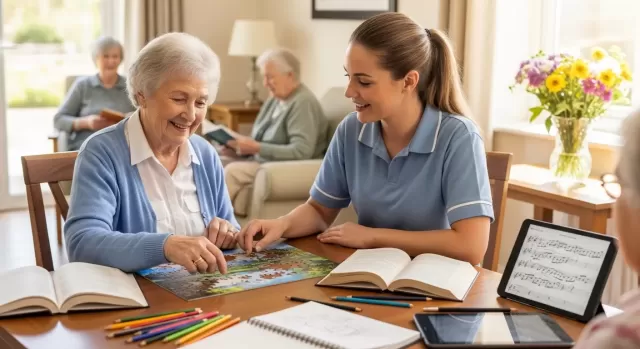
- Cognitive Activities: Puzzles, games, reading, and other mentally stimulating activities.
- Creative Pursuits: Encouraging hobbies, arts, and crafts.
- Connecting Seniors with Technology: Helping seniors stay connected with the outside world by assisting them with technology.
4. Emotional Support and Reassurance: Navigating Emotional Challenges
Aging can bring emotional challenges, such as anxieties about health, loss, or change. Professional carers provide:
- A Listening Ear: Offering a non-judgmental space to express feelings and concerns.
- Empathy and Understanding: Acknowledging and validating emotional experiences.
- Reassurance and Encouragement: Providing comfort and hope during difficult times.
- Mediation between family members: They can help resolve conflicts within the family.
5. Peace of Mind: For Seniors and Their Families
Knowing that a loved one is receiving quality care provides immense peace of mind for both the senior and their family. Professional carers offer:
- Skilled and Compassionate Care: Ensuring that physical and emotional needs are met.
- Regular Communication: Keeping family members informed about their loved one's well-being.
- Reduced Burden on Family Members: Allowing families to focus on spending quality time with their loved one.
- Access to a team of experts: They have access to therapists, social workers, and other professionals who can provide additional support.
Choosing the Right Care Option
The best care option depends on individual needs and preferences. Home care services allow seniors to remain in the comfort of their own homes, while residential care homes provide a structured and supportive environment.
Comparing Home Care vs. Residential Care Homes
| Feature | Home Care | Residential Care Home |
|---|---|---|
| Environment | Familiar home setting | Structured community environment |
| Independence | Greater independence and autonomy | More support and supervision |
| Social Interaction | Primarily one-on-one with the carer | Opportunities for interaction with other residents |
| Cost | Can be more expensive depending on the hours of care required | Typically a fixed monthly cost |
| Best Suited For | Seniors who value independence and have less complex care needs | Seniors who need more support and social interaction |
Prioritizing Mental Well-being: An Investment in a Fulfilling Later Life
Caring for mental well-being in later life is an investment in a happier, healthier, and more fulfilling future. By working with professional carers, seniors can receive the support, stimulation, and companionship they need to thrive.
FAQs About Senior Mental Well-being and Professional Care
1. How can I tell if my loved one is struggling with their mental health?
- Signs include changes in mood, withdrawal from social activities, loss of interest in hobbies, difficulty concentrating, sleep disturbances, and unexplained physical symptoms.
2. What types of mental stimulation activities are most beneficial for seniors?
- Activities that engage the mind and provide enjoyment, such as puzzles, reading, games, arts and crafts, music, and social interaction, are all beneficial.
3. How do I find a reputable home care service or residential care home?
- Seek recommendations from your doctor, social worker, or friends and family. Research online reviews and visit potential care providers to assess their quality of care and environment.
4. What is the cost of professional care for seniors?
- The cost varies depending on the type of care, the level of care needed, and the location. Home care services are typically billed hourly, while residential care homes have a fixed monthly fee. Contact potential providers for detailed pricing information.