Plant-Based Diets: Not All Are Created Equal for Heart Health
A recent French study has shed new light on the intricate relationship between diet and cardiovascular well-being, emphasizing that not all plant-based eating patterns are created equal. While previous research has established a link between high consumption of ultra-processed foods and an increased risk of heart disease, and conversely, highlighted the cardiovascular benefits of balanced plant-centered diets, this new investigation delves deeper into the nuances of food choices.
Unpacking Food Choices for Heart Health
Scientists involved in the French NutriNet-Santé cohort meticulously analyzed the dietary habits of over 63,000 adults. Their research went beyond simply categorizing foods as plant or animal-based. Instead, the study incorporated a comprehensive assessment of each food's nutritional profile, considering factors like carbohydrate, fat, and micronutrient content, alongside the degree of industrial processing involved. Participants were monitored for an average of 9.1 years, with some tracked for up to 15 years, providing a robust dataset for analysis. Dietary information was gathered through detailed online questionnaires, allowing researchers to classify diets based on the proportion of plant versus animal-derived foods, while critically evaluating both nutritional quality and processing levels.
The Impact of Nutritionally Superior, Minimally Processed Plant Foods
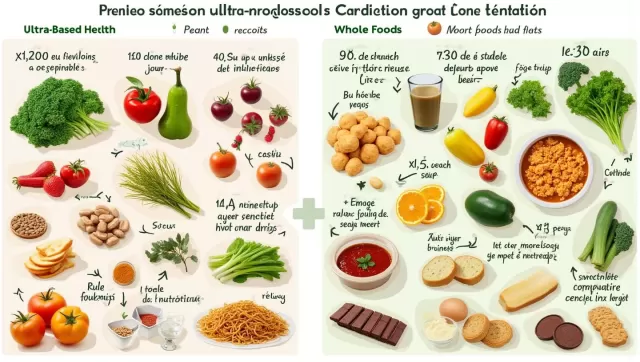
The findings revealed a significant protective effect for adults who prioritized plant-based foods that were nutritionally superior – meaning they were lower in fat, sugar, and salt – and underwent minimal industrial processing. These individuals exhibited approximately a 40 percent lower risk of developing cardiovascular diseases compared to those with diets lower in these beneficial plant foods and higher in animal-based products. This suggests that the "whole food" approach to plant-based eating is key to reaping its cardiovascular rewards.
The Pitfall of Ultra-Processed Plant-Based Options
However, the study uncovered a surprising caveat. Individuals consuming plant-based foods that, while potentially higher in some nutrients, were also ultra-processed, did not experience the same cardiovascular benefits. This category included items like industrial wholemeal breads, ready-made soups, pre-packaged pasta meals, and commercially prepared salads with dressings. For these individuals, their cardiovascular risk was not significantly reduced when compared to those who consumed fewer of these items and more animal-based foods. This highlights a critical distinction: simply choosing plant-based doesn't automatically equate to a healthier heart if the food has been heavily altered by industrial processes.
Ultra-Processed Plant Foods and Elevated Heart Disease Risk
The study also identified a particularly concerning trend: a notably elevated risk of cardiovascular disease among adults whose diets were heavily reliant on plant-based foods that were both low in nutritional quality and heavily ultra-processed. Examples of these foods include crisps, sweetened carbonated beverages derived from plant extracts, chocolate confectioneries, sugary breakfast cereals, and savory biscuits. These individuals faced a cardiovascular disease risk roughly 40 percent higher than those who consumed nutrient-dense, minimally processed plant foods. This underscores the potential dangers of a diet dominated by highly processed, often nutrient-poor, plant-derived snacks and convenience items.
Why Processing Level is Crucial in Plant-Based Diets
The overarching conclusion from this research is that a holistic view is essential when examining the link between diet and cardiovascular health. It's not enough to simply focus on whether foods originate from plants or animals. The nutritional quality of those foods and the extent to which they have been industrially processed are equally, if not more, important factors. These findings strongly support existing public health guidance that advocates for the consumption of plant-based foods that are both rich in nutrients and minimally processed. This includes embracing fresh, frozen, or high-quality canned fruits and vegetables, provided they are free from added fats, salt, sugar, or artificial additives.