One-Pedal Driving: A Deep Dive into EV Braking Tech

Electric vehicles (EVs) are revolutionizing the way we drive, and one of the most talked-about features is one-pedal driving. This innovative system allows drivers to accelerate and decelerate using only the accelerator pedal, offering a unique driving experience that differs significantly from traditional internal combustion engine (ICE) vehicles. Let's delve into the intricacies of one-pedal driving, exploring its mechanics, benefits, drawbacks, and the varying approaches taken by different automakers.
How One-Pedal Driving Works: Regenerative Braking Explained
The core of one-pedal driving lies in regenerative braking. Unlike ICE vehicles that lose kinetic energy as heat during deceleration, EVs and hybrids capture this energy and store it in the battery. When the driver releases the accelerator pedal, the electric motor reverses its function, acting as a generator. This process slows the vehicle down while simultaneously generating electricity to recharge the battery.
Traditional friction brakes are still present in EVs and hybrids, primarily for quick or emergency stops. However, during typical deceleration, regenerative braking handles most or all of the slowing, reducing wear on the brake pads and minimizing brake dust pollution.
The Advantages of Regenerative Braking
- Increased Energy Efficiency: The primary benefit is the recovery of energy that would otherwise be lost. Regenerative braking can boost an EV's range by a significant margin, especially in stop-and-go city driving.
- Reduced Brake Wear: By relying more on regenerative braking, the lifespan of traditional brake pads is extended, leading to lower maintenance costs.
- Environmental Benefits: Less brake dust is released into the environment, contributing to cleaner air quality.
Potential Drawbacks and Considerations
- Sensitivity: Some drivers find the accelerator pedal in one-pedal driving systems to be overly sensitive. Abruptly lifting off the pedal can cause sudden deceleration, leading to a jerky ride.
- Brake Feel: Transitions between regenerative and hydraulic braking can sometimes feel awkward or inconsistent, although automakers are continuously refining these systems to improve smoothness.
Automaker Approaches to One-Pedal Driving
Different manufacturers implement one-pedal driving in diverse ways, reflecting varying philosophies and priorities.
- Porsche: Favors coasting for optimal energy efficiency and does not offer a dedicated one-pedal driving mode. Their regenerative braking is designed to mimic the feel of lifting off the accelerator in a gasoline-powered vehicle.
- Audi: Offers adjustable regenerative braking settings, including a one-pedal driving mode that brings the vehicle to a complete stop without using the brake pedal.
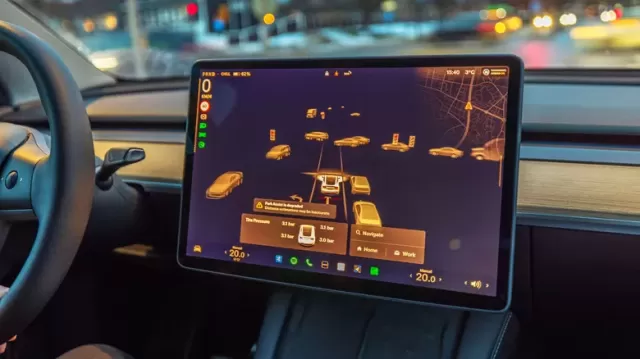
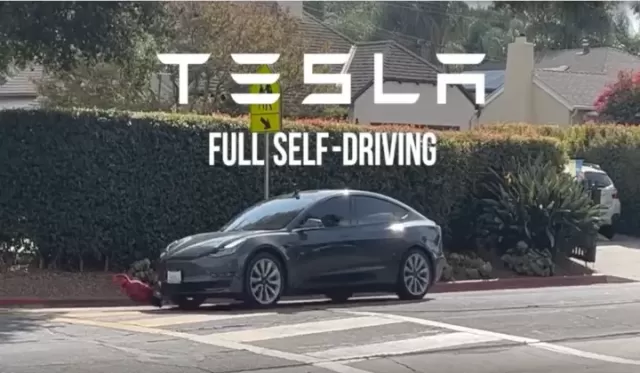
- Tesla: Employs an always-on one-pedal driving system with no option to adjust the level of regeneration.
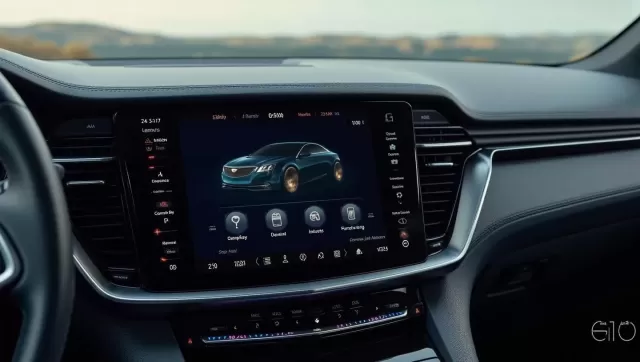
- GM: Provides multiple ways to control regenerative braking, including infotainment settings, steering-wheel paddles, and a Variable Regen on Demand (VROD) feature that allows drivers to modulate the regen power.
- Subaru: The Solterra EV offers multiple brake-regen settings via paddle shifters, allowing drivers to customize the driving experience according to their preference.
Designing for Driver Preference and Road Conditions
Automakers are increasingly incorporating customer feedback and advanced technologies to enhance the one-pedal driving experience. For instance, GM uses customer input to refine their blended brake system, ensuring a consistent feel even when the battery is nearly full.
Systems like Audi's "auto mode" intelligently adjust the level of regeneration based on factors such as route topography, traffic conditions, and speed limits, optimizing both efficiency and driving comfort.
Hybrids and Regenerative Braking
While hybrids also use regenerative braking, the performance is typically less pronounced than in EVs. Hybrids prioritize maximizing the use of kinetic energy during deceleration but may not offer driver-adjustable settings or one-pedal driving functionality.
The Polarizing Nature of One-Pedal Driving
Experiences with one-pedal driving can vary significantly. Some drivers appreciate the convenience and efficiency, while others find the system too jerky or prefer the familiar feel of traditional braking.
Ultimately, the best way to determine whether one-pedal driving is right for you is to test drive various EVs and explore their different regenerative braking modes. As technology advances and automakers continue to innovate, one-pedal driving is likely to become an even more refined and user-friendly feature in the world of electric vehicles.