Is Your Diet Missing This Crucial Nutrient? 7 Signs You're Not Getting Enough Protein
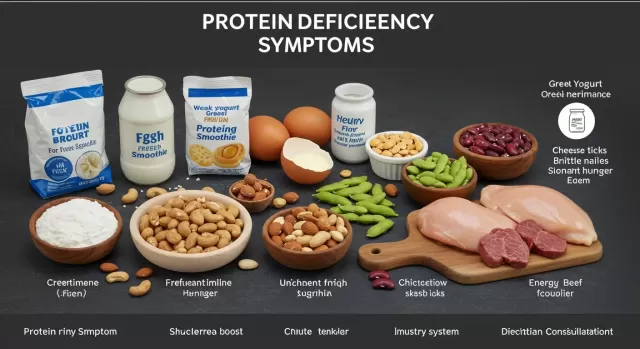
We're constantly bombarded with messages about the importance of protein, from social media fitness gurus to health and wellness blogs. But beyond the hype, protein plays a fundamental role in our overall health and well-being. While many people meet the bare minimum, a surprising number may not be getting enough to truly thrive. So, how do you know if you're falling short?
Protein is a building block for so much more than just muscle. It's vital for energy levels, immune function, and even the health of your hair and nails. A diet lacking in adequate protein can manifest in various ways, impacting your day-to-day life.
7 Warning Signs of Protein Deficiency
If you experience several of these symptoms, it might be time to re-evaluate your protein intake:
- Persistent Weakness and Fatigue: Feeling constantly drained? Protein is crucial for maintaining muscle mass. A deficit can lead to muscle loss, resulting in a general feeling of weakness and fatigue, even with adequate rest.
- Delayed Exercise Recovery:Pushing yourself at the gym but struggling to bounce back? Protein provides the essential amino acids your muscles need to repair and rebuild after a workout. Without it, recovery takes longer and you may not see the gains you're hoping for.
- Hair and Nail Problems:Notice thinning hair or brittle nails with ridges? Protein is a key component of keratin, the protein that makes up hair and nails. A shortage can compromise their structural integrity. Dry, flaky skin can also be a telltale sign.
- Frequent Illness:Are you catching every cold that goes around? Protein is vital for a robust immune system. It helps your body produce antibodies and other immune cells that fight off infections. A protein deficiency can weaken your defenses.
- Uncontrollable Hunger:Feeling hungry all the time, even after meals? Protein is known for its satiety-boosting properties. It helps you feel fuller for longer, preventing overeating and unnecessary snacking.
- Slow Wound Healing: Cuts and scrapes taking forever to heal? Protein is necessary for blood clotting and collagen production, both essential for wound repair. A deficiency can significantly slow down the healing process.
- Unexplained Swelling:Experiencing swelling in your ankles, feet, or hands (edema)? Proteins in your blood help regulate fluid balance. A lack of protein can disrupt this balance, leading to fluid accumulation in the extremities.
Boosting Your Protein Intake: Simple Strategies
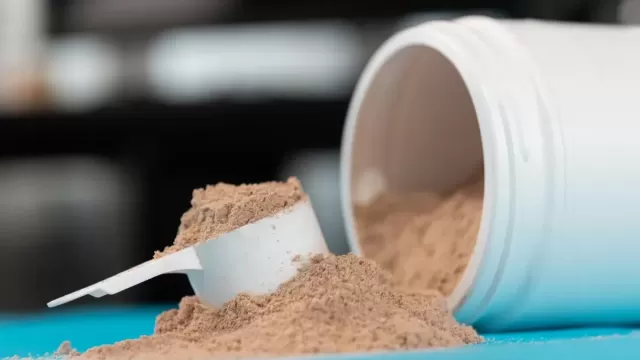
If you suspect you're not getting enough protein, making a few strategic changes to your diet can make a big difference. Start your day with a protein-rich breakfast, such as Greek yogurt with berries, eggs with whole-wheat toast, or a protein smoothie. For snacks, consider options like cheese sticks, edamame, or a handful of nuts. And at mealtime, aim to fill about a quarter of your plate with lean protein sources like chicken, fish, lean beef, or beans.
Finding Your Protein Sweet Spot: How Much Do You Really Need?
The general recommendation is around 0.8 grams of protein per kilogram of body weight for the average adult with a sedentary lifestyle. To calculate your needs, divide your weight in pounds by 2.2 to get your weight in kilograms, then multiply that number by 0.8. However, this is just a starting point. Your individual protein requirements may vary based on factors like age, activity level, pregnancy, and muscle-building goals. Consulting with a registered dietitian can provide personalized guidance to determine your optimal protein intake.