Hyundai Ioniq 6: Real-World Range and Charging Tested
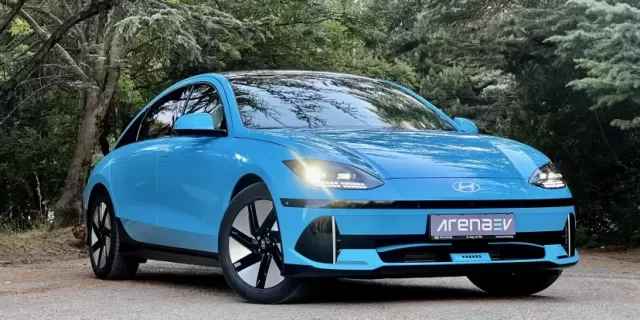
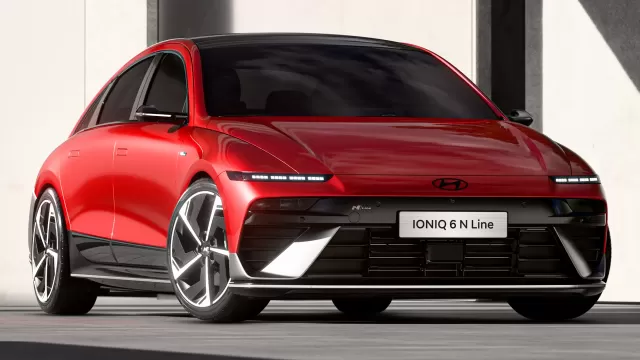
Our long-term evaluation of the 2024 Hyundai Ioniq 6 has provided some interesting insights into its real-world range and charging behavior. Initial experiences during a Seattle to Los Angeles drive were underwhelming, with cold, wet weather and elevation changes significantly impacting the vehicle's range. However, performance has improved considerably in the more temperate climate of Southern California.
We've consistently surpassed the 300-mile mark on multiple occasions, including one exceptional test focusing on city driving. In this scenario, the Ioniq 6 achieved 328 miles, with an estimated remaining range of 32 miles, closely aligning with the car's combined range rating of 361 miles. This impressive result was achieved without resorting to hypermiling techniques, although we did avoid excessive A/C use. Mild, sunny conditions and overnight garaging likely contributed to the positive outcome.
Road trips to Tucson, Arizona, and Yosemite National Park further validated the Ioniq 6's capabilities. Our photo director, Brian Vance, consistently achieved over 300 miles on primarily freeway driving, mirroring our MotorTrend Road Trip Range test result of 292 miles.
During the Yosemite trip, Vance utilized Tesla Supercharger stations with a NACS adapter. While readily available and convenient, the charging speed peaked at 96 kilowatts, extending charging times compared to Electrify America or EVgo DC fast chargers. The Ioniq 6's rear passenger-side door placement also proved less than ideal at Supercharger locations, potentially obstructing adjacent charging spots. Additionally, Vance noted some shortcomings with the power trunk's slow operation and limited cargo space (11.2 cubic feet). Positives included the convenient lower stowage space between the front seats and the overall quiet and user-friendly driving experience.
Beyond Supercharging, we've utilized a variety of charging options, including home-installed Level 2 chargers, other public Level 2 chargers, and DC fast chargers. The most expensive charging session cost $35.50, taking the battery from 8% to 81% at a Tesla Supercharger.
Intriguingly, we've observed charging rates exceeding 70 kilowatts on two recent occasions, once on a Level 2 home charger and once on a Tesla V4 Supercharger, pushing the range indicator into the 400s. This phenomenon has only occurred on one other occasion in approximately 100 charging sessions, and the factors influencing it remain unclear.
Overall, our experience with the Ioniq 6 has been positive, highlighting its user-friendliness and improved range in favorable conditions. The car continues to be a reliable and enjoyable EV to drive.