GM Ditches Apple CarPlay & Android Auto: What It Means for You
General Motors has signaled a significant shift in its in-car technology strategy, announcing plans to discontinue support for Apple CarPlay and Android Auto in its vehicles. This decision, impacting both internal combustion engine (ICE) and electric vehicles (EVs), marks a departure from the widely popular smartphone projection systems that have become a staple for many drivers.
The transition is expected to begin with the 2028 model year, coinciding with the rollout of GM's new centralized computing architecture, first appearing in the Cadillac Escalade IQ. This advanced architecture promises enhanced processing power for future iterations of Super Cruise, GM's semi-autonomous driving system, as well as the capacity for integrating innovative features and supporting diverse powertrain options.
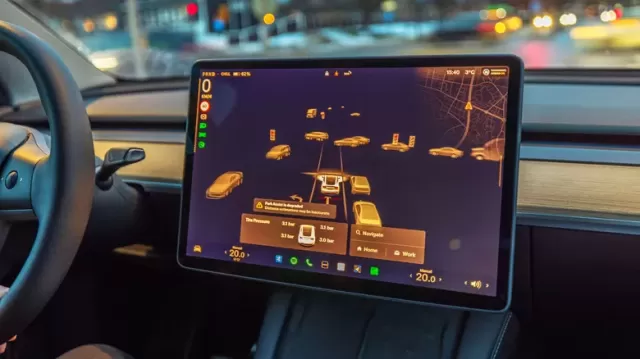
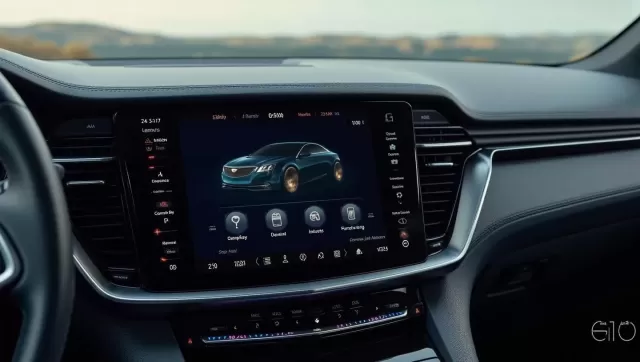
This strategic move aligns with GM's previous decision to omit Apple CarPlay and Android Auto from its electric vehicle lineup, favoring its native infotainment system powered by Google Built-in (Android Automotive OS). While this earlier choice was met with criticism from industry experts and consumers, especially those loyal to Apple CarPlay, GM appears committed to developing its proprietary infotainment ecosystem.
The future of GM's in-car experience involves a more sophisticated and conversational version of Google Gemini AI, slated for introduction in 2026, and ultimately, the development of GM's own AI-powered assistant. This move suggests a focus on creating a seamless, integrated, and branded user experience within the vehicle.
Apple's rollout of its advanced CarPlay Ultra has faced hurdles. Despite the popularity of the basic CarPlay version, adoption of CarPlay Ultra has been slow, with only a limited number of automakers embracing the platform and some openly rejecting it.
For consumers, the implications are clear: those who prefer Apple CarPlay and are interested in GM vehicles should consider purchasing an ICE model from Buick, Cadillac, Chevrolet, or GMC within the next few years. After this period, GM's vehicles will exclusively feature its in-house infotainment system powered by Google.