Fuel Economy Rollback Sparks Debate on Affordability and Environment
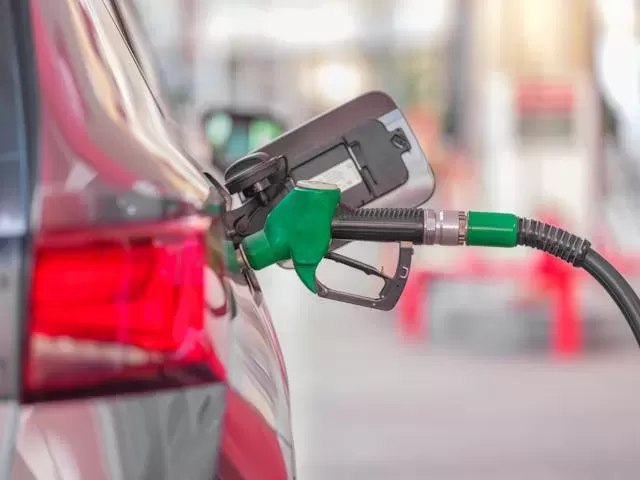
The Trump administration is proposing a rollback of federal fuel economy standards, a move it claims will lead to more affordable vehicles for American consumers. U.S. Transportation Secretary Sean Duffy stated the administration's aim is to reduce the required fleetwide average fuel economy from over 50 miles per gallon by 2031 to approximately 35 miles per gallon. Duffy argues this change will lower vehicle sticker prices, offering consumers more choice and allowing manufacturers to build vehicles that better align with market demand. He emphasized that the president's focus is on addressing the rising cost of vehicles, which have become significantly more expensive in recent years.
Potential Benefits for Car Buyers
The U.S. Transportation Department projects that this rollback could save Americans $109 billion over the next five years, with an average reduction of $1,000 on the cost of a new vehicle. With new vehicle prices recently reaching record highs, nearing $50,000, proponents suggest this measure could make car ownership more accessible. Furthermore, the department contends that lower vehicle prices will encourage more people to purchase newer models equipped with advanced safety features. The National Highway Traffic Safety Administration (NHTSA) estimates that this shift could save over 1,500 lives and prevent nearly a quarter of a million serious injuries by 2050.
Criticisms and Concerns
Conversely, opponents of the proposed rollback express significant concerns. Critics argue that reducing fuel economy standards will result in less efficient vehicles, consequently worsening air quality across the United States. Katherine García, Director of Clean Transportation for All at the Sierra Club, stated that the rollback would "move the auto industry backwards," leading to more polluting cars remaining on the road and posing health risks, particularly to vulnerable populations like children and the elderly. Kathy Harris, director for clean vehicles at the Natural Resources Defense Council, echoed these sentiments, asserting that the proposal unfairly burdens drivers with higher fuel costs at the pump, benefiting the oil industry. She estimates drivers could face hundreds of dollars in increased annual fuel expenses.
Current Fuel Economy Regulations
The existing federal fuel economy rules, finalized by the Biden administration in June 2024, mandate that carmakers achieve a fleetwide average of over 50 miles per gallon by 2031. The Department of Transportation under the Biden administration projected that these regulations would save car and light truck owners more than $600 in fuel costs over the lifespan of their vehicles. Additionally, these rules are expected to conserve nearly 70 billion gallons of gasoline and prevent over 710 million metric tons of carbon dioxide emissions by 2050.