Fiber Is the Next Big Nutrition Trend

The world of nutrition is buzzing with a new star ingredient, and it's poised to dethrone the reigning champ. While protein has dominated the health and wellness conversation for the past few years, fiber is rapidly emerging as the next big thing, driven by a growing consumer focus on gut health. This shift is not just a passing fad; it's a movement gaining serious traction.
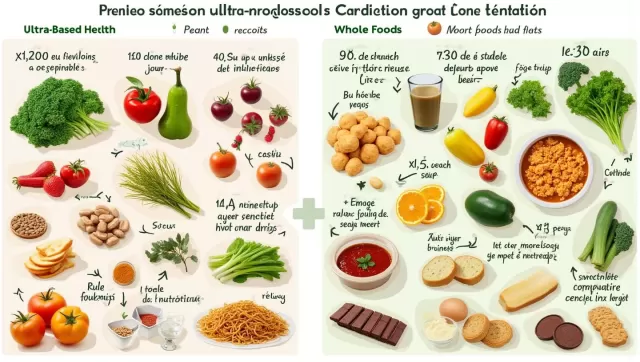
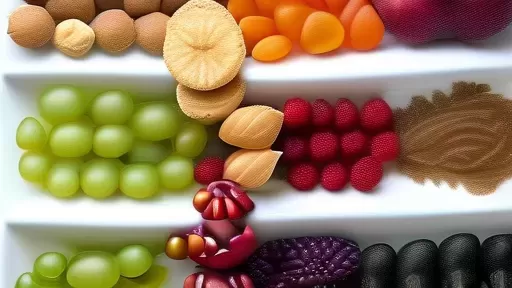
The "fibermaxxing" trend, popularized on social media platforms, encourages people to boost their fiber intake through nutrient-dense whole foods like fruits, vegetables, and legumes. This grassroots enthusiasm reflects a significant gap in dietary habits, as a vast majority of Americans, including 90% of women and 97% of men, are falling short of their daily fiber recommendations, which typically range from 25 to 38 grams.
This growing awareness is translating into tangible changes in consumer behavior and industry strategy. Data reveals a notable increase in the importance consumers place on fiber content when making food purchasing decisions. In 2021, only 17% of U.S. consumers considered high fiber content among their top three important factors for food shopping. Fast forward to today, and that figure has climbed to 22%, indicating a significant uptick in consumer prioritization.
The food industry is responding with impressive speed. Major players like PepsiCo have publicly declared fiber as a key focus for their product development in the coming year. Their CEO has even boldly stated, "I think fiber will be the next protein," highlighting the consumer understanding that fiber offers essential benefits for overall well-being. To capitalize on this, PepsiCo is set to launch new products specifically designed to cater to this demand, including a Smartfood Fiber Pop snack and SunChips Fiber varieties featuring ingredients like whole grains and black beans. Research firms are corroborating this trend, projecting fiber to be the next major health phenomenon following protein's rise. A significant 54% of consumers surveyed expressed interest in high-fiber foods and beverages, with this number even higher at 60% among Generation Z, who are actively spearheading the "fibermaxxing" movement online. Furthermore, 42% of consumers now associate "high fiber" claims on nutrition labels with a product being "healthy," underscoring its growing perceived value. This momentum has even earned fiber a spot on Whole Foods Market's list of top trends for the upcoming year.
The Gut Health Revolution
While paying attention to fiber intake isn't entirely new, its association has traditionally been with an older demographic, often linked to maintaining digestive regularity as people age. However, a fundamental shift has occurred. Consumers across all age groups are now placing a greater emphasis on nurturing their gut health and overall digestive wellness, propelling fiber into the spotlight.
A key aspect of this trend is the emphasis on obtaining fiber from diverse whole food sources rather than relying solely on supplements or powders. This approach aligns perfectly with current wellness philosophies, promoting a more holistic and natural path to good health. Both soluble and insoluble fiber play crucial roles in promoting satiety, improving digestion, and positively impacting blood pressure and cholesterol levels. Some experts even suggest that fiber's ability to slow down digestion could offer a satiating effect, potentially mirroring some benefits sought after by those interested in weight management.
The food industry is adept at identifying and capitalizing on evolving consumer desires. Companies are cleverly adapting their existing product lines or developing new ones to highlight fiber's benefits. This strategic pivot allows them to offer familiar products with an updated nutritional focus, meeting consumer demand for enhanced health attributes.
Promoting High-Fiber Innovations
Food and beverage companies are actively embracing this surge in interest. Coca-Cola has introduced its Simply Pop prebiotic soda, enriched with fiber to support gut health. Nestlé has launched a new protein shake designed with prebiotic fiber specifically for individuals managing their health with GLP-1 medications, acknowledging the growing overlap between different health trends. Beyond these large corporations, specialized brands like Olipop, Floura, and Sola Bagels are also offering innovative products that prioritize gut-friendly ingredients and high fiber content.
Companies like PepsiCo are actively exploring every avenue to meet this burgeoning consumer demand. Their research and development teams are integrating scientific insights with market trends to stay ahead of evolving consumer tastes. With existing products like their prebiotic cola and Quaker oatmeal already on the market, Pepsi is now focusing on creating new and innovative fiber-rich options across their beverage and food portfolios. They recognize that consumers are becoming increasingly educated about nutrition and their individual needs, fueling excitement for these advancements. The strategy is moving beyond single-ingredient solutions; instead, it's about creating products that combine multiple gut-healthy components for synergistic benefits.
For many individuals, the focus on fiber extends beyond a fleeting trend; it represents a personal commitment to long-term health. Content creators, for instance, are sharing their experiences of incorporating substantial amounts of fiber into their daily meals, reporting benefits such as increased satiety and improvements in skin health. This personal adoption is, in turn, inspiring others, particularly within younger generations. The conversation around fiber has also taken on a deeply personal dimension for some, especially in light of research linking adequate fiber intake to a reduced risk of certain diseases, including colorectal cancer. This underscores the powerful message that everyday dietary choices can have a profound impact on preventing critical illnesses and promoting overall well-being.