Easing Fuel Rules: Short-Term Relief for Automakers, Long-Term Cost for Drivers?
A recent policy shift to eliminate penalties for automakers who fail to meet fuel economy standards is creating a clear divide. The industry welcomes the relief, while environmental groups warn it removes a crucial incentive for innovation, potentially leading to higher costs for consumers and a setback for climate goals.
The "Get Out of Jail Free" Card Debate
The U.S. administration's move to stop penalizing automakers for not meeting fuel efficiency targets has sparked debate. While supporters argue it frees up capital for research and development, critics like Dan Becker of the Safe Climate Transport Campaign call it a "Get Out of Jail Free" card that allows companies to "cheat at will" on efficiency standards.
The Direct Hit to Your Wallet
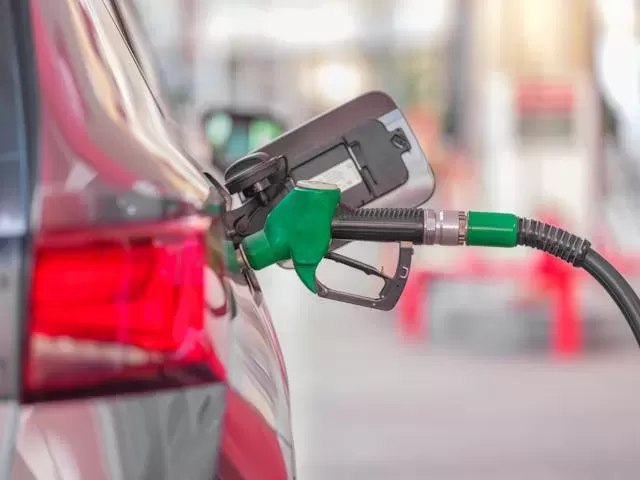
The debate isn't just theoretical—it has direct implications for what drivers pay at the pump. A USA TODAY analysis of the 100 most popular car models projects significant consumer savings if stricter 2031 standards are met.
For example, retrofitting a 2025 Ford F-150 to meet future rules could nearly halve its annual fuel cost for a typical driver, from $2,000 to around $1,000. The analysis found potential savings across all vehicle types:
| Car Type | Estimated Savings Range |
|---|---|
| Passenger Car | $53 - $1,432 |
| SUV, Minivan, Pickup Truck | $900 - $1,200 (Typical) |
Will U.S. Innovation Stall on a Global Stage?
Without regulatory pressure, the pace of fuel-efficiency innovation could slow. However, the automotive industry is global. K. Venkatesh Prasad of the Center for Automotive Research notes that relaxed U.S. rules could backfire, making American-designed vehicles less competitive in strict markets like China and Europe. This global demand will likely compel continued investment in efficiency, regardless of U.S. policy.
The High Stakes for the Climate and Economy
The transportation sector is the largest emitter of climate-warming gases in the U.S. Weakening efficiency standards poses a direct threat to environmental progress. A study co-authored by David Greene of the University of Tennessee found that past fuel economy improvements saved 2 trillion gallons of gasoline and 17 billion metric tons of carbon dioxide.
Furthermore, the Biden administration estimates its now-relaxed standards would have saved Americans over $23 billion in total. While new cars might have been $900 to $2,600 more expensive upfront, the EPA projected lifetime fuel and maintenance savings of roughly $4,400 per vehicle—a net gain for consumers.
A Look Backward as a Warning
History suggests that without strong regulations, progress stalls. After initial standards were set, efficiency plateaued for two decades until they were strengthened. "The auto companies, without the rules, failed to improve the efficiency of their vehicles," Becker said.
Relief Today, Cost Tomorrow?
The elimination of penalties offers automakers immediate financial relief. However, the long-term trade-offs are substantial: potentially higher fuel costs for consumers, slowed innovation, and a major obstacle in the fight against climate change. The central question remains whether the industry will voluntarily prioritize efficiency without a regulatory push, or if this move will ultimately cost the public and the planet dearly.