Dodge Charger Daytona: Electric Muscle Car Needs Refinement
The Dodge Charger Daytona has arrived in a four-door configuration, promising to blend electrifying performance with everyday practicality. Building on the foundation laid by the two-door coupe, this sedan aims to redefine the muscle car for the EV era. But does it deliver on that promise? Let's dive into the details.
Driving Dynamics: Raw Power Tempered by Weight
The Charger Daytona Scat Pack sedan boasts blistering acceleration, matching the coupe's rapid pace with a 0-60 mph time of just 3.3 seconds in controlled tests. This puts it on par with performance EVs like the Ford Mustang Mach-E Rally, despite carrying significantly more weight. The initial launch is impressive, though the intensity diminishes at higher speeds. However, the mid-range acceleration can feel somewhat unpredictable, alternating between smooth and abrupt power delivery.
The Track package, while adding substantial Brembo brakes, reveals some calibration issues under demanding conditions. Testers observed inconsistent braking behavior, with the system cycling through lockup and release in an unsettling manner. Despite this, the sedan managed to outperform the Mach-E Rally in 60-0 mph stopping tests, which is likely due to the rally-focused tires on the Mach-E.
Steering feel is heavy, lacking the precision often found in performance vehicles. The adaptive dampers provide a generally comfortable ride, but larger road imperfections can disrupt the car's composure. The all-wheel-drive system prioritizes safety over traditional muscle car antics, resulting in predictable but somewhat uninspired understeer.
Weight is a dominant factor in the Charger Daytona's driving experience. Tipping the scales at a hefty three tons, it outweighs even the heftiest Porsche Taycan by a considerable margin. This mass is noticeable on the road, contributing to a sensation of floating over undulations and a reluctance to change direction quickly. The summer tires provide ample grip, but the car's weight becomes apparent during rapid transitions.
The synthesized "Fratzonic" exhaust sound, intended to mimic the roar of a traditional engine, is divisive. While adding to the drama, it lacks authenticity and may not appeal to purists. The absence of tire-smoking burnouts, a staple of the muscle car experience, could also disappoint some enthusiasts.
Range and Charging: Lagging Behind the Competition
The Charger Daytona's range is a significant drawback. Real-world testing revealed only 190 miles of range in a controlled 70-mph test, falling short of the EPA estimate of 223 miles. Competitors like the Tesla Model S offer substantially longer ranges, while even the Mach-E Rally provides a more usable 265 miles.
Charging speeds are also underwhelming. The 400-volt system's maximum charging rate of 183 kW is slower than the Tesla Model S but faster than the Mach-E. In practical terms, a 15-minute DC fast-charging session added only 74 miles of range in tests.
Interior Quality and Technology: A Mixed Bag
The interior design is recognizably Dodge, with comfortable and supportive seats. However, build quality is inconsistent. Testers noted squeaky trim, flimsy switches, and even a trunk lid that malfunctioned. Material quality is also uneven, with some premium elements alongside cheaper plastics. The air conditioning system struggled to maintain a comfortable temperature in hot weather.
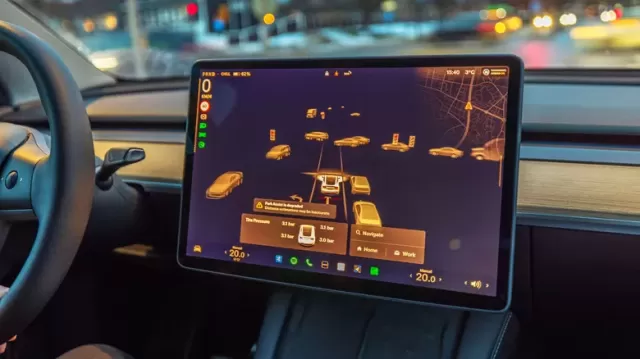
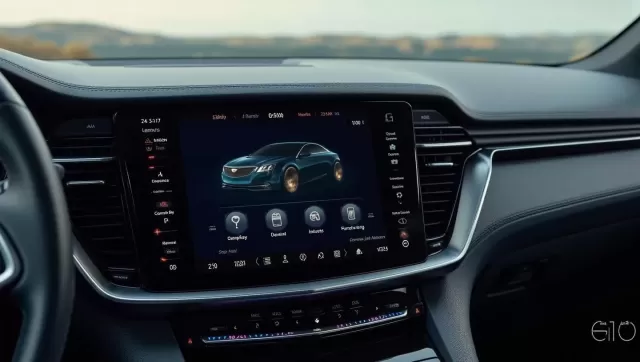
The infotainment system is plagued by lag and unresponsiveness, while the touch-sensitive climate controls are frustrating to use. Drive mode selection can scramble the displays, and crucial EV functions like regenerative braking settings and charging limits are buried within confusing menus. A built-in route planner, a common feature in modern EVs, is absent.
Practicality and Value: Everyday Usability Comes at a Price
The four-door configuration significantly enhances the Charger Daytona's practicality. However, rear-seat headroom is limited by the sloping roofline. Cargo space is a strong point, with a large hatch area offering ample room for luggage. However, the heavy hatch lacks a power liftgate, and there's no frunk despite available space.
With optional extras, the total price reached $79,360 in one test, placing it in competition with higher-end EVs like the Tesla Model S, rather than more affordable options like the Mach-E.
The 2026 Dodge Charger Daytona Scat Pack sedan offers a compelling blend of electrifying performance and everyday practicality. Its rapid acceleration and bold styling make it a standout in the EV market. However, it is still a work in progress. Flaws in the software, inconsistencies in build quality, and limited range detract from the overall experience. While it captures the spirit of a muscle car in many ways, it falls short of delivering the fully refined experience expected at this price point. It's a promising EV muscle car, but one that requires further development to reach its full potential.