Crimson Desert Developer to Replace AI-Generated Art
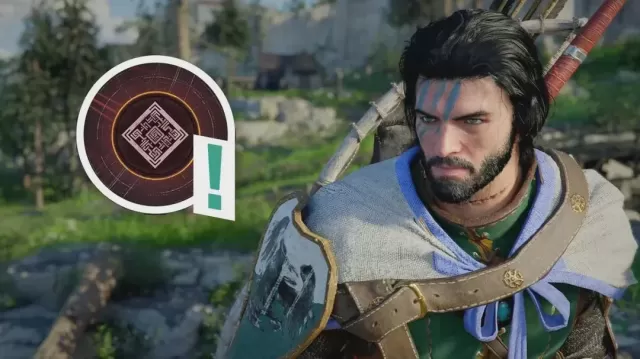
The launch of Crimson Desert was met with significant commercial success, yet a growing discussion around its development process has emerged. Players quickly noted unusual details in some of the game's environmental art, leading to questions about the use of generative artificial intelligence.
Addressing the Accusations Head-On
Following player reports of distorted imagery in certain in-game paintings, developer and publisher Pearl Abyss issued a statement. They confirmed that generative AI tools were utilized in the production of a limited number of two-dimensional visual props. The studio clarified these assets were intended solely as early production placeholders, with the plan to replace them with hand-crafted art before release. Their inclusion in the final game was described as an oversight that does not align with the team's internal quality standards, for which they take full responsibility.
An Apology and a Plan for Replacement
Pearl Abyss extended an apology to the community, specifically for not being more transparent about the implementation of these tools during development. While emphasizing that AI was primarily used in early stages, the developers acknowledged that this does not justify the lack of clear communication. The studio has committed to performing a full audit of the game's assets and will release patches to systematically replace any remaining AI-generated content with traditionally created artwork.
A Recurring Industry Challenge
This situation is not isolated. Other studios have encountered similar difficulties where temporary AI-generated assets accidentally remain in shipped products. These instances highlight a growing pain within the industry as teams explore new tools while managing complex production pipelines. The challenge often lies not in the use of the technology during prototyping, but in ensuring rigorous asset tracking and replacement before a title reaches the public.
The Broader Debate on AI in Game Development
The incident has fueled the ongoing debate regarding the role of AI in creative industries:
- Many players and developers express strong opposition, arguing that AI can undermine artistic integrity and displace human talent.
- Others advocate for its careful use as a supportive tool, capable of handling repetitive tasks and allowing artists to concentrate on high-level creative direction.
Industry data suggests generative AI is becoming a common element in game production, present in a notable percentage of new releases. The controversy surrounding Crimson Desert underscores the importance of clear policies and transparent communication with players as these practices evolve.
The developer's commitment to rectifying the issue and updating the game will likely influence how the community perceives the title moving forward, setting a precedent for how similar situations may be handled across the industry.