Centenarian Routines: Secrets to Healthy Aging
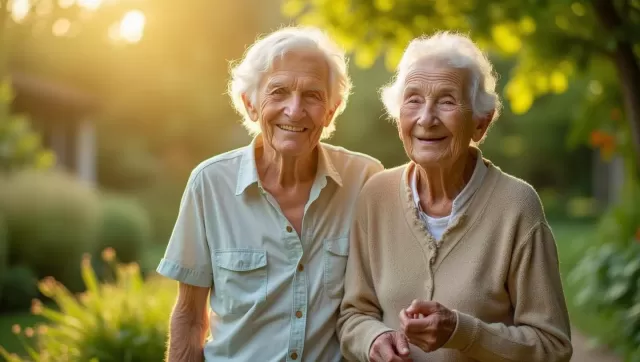
The pursuit of a long and vibrant life often leads us to study the habits of individuals who have reached the remarkable milestone of 100 years. A recent survey conducted by UnitedHealthcare offers a valuable window into the routines of this demographic, highlighting six consistent weekly practices that contribute to their sustained health.
A foundational element for a significant majority—over two-thirds of the centenarians surveyed—is a commitment to sound nutrition. While specific diets were not detailed, the consensus points away from highly processed foods, which contemporary research has linked to increased risks of cognitive decline, cardiovascular events, and overall mortality. Expert commentary from Dr. Jordan Weiss of NYU Grossman School of Medicine emphasizes that the goal is not to chase "superfoods," but rather to maintain a balanced and consistent intake of whole foods like fruits, vegetables, and nuts. Such a diet helps to mitigate inflammation, regulate blood sugar, and provide essential nutrients that protect the body's cells from stress.
Physical activity, in its various forms, emerged as another cornerstone of their lifestyles. Nearly half of the respondents engage in resistance training to preserve muscle. This is critical, as maintaining muscle mass is key to preventing age-related declines in strength and mobility, thereby reducing the risk of dangerous falls. Scientific evidence supports this habit; a 2022 study demonstrated that older adults who performed strength exercises at least twice a week had a lower mortality risk.
Furthermore, more than four in ten centenarians make a point to walk or hike weekly. This simple activity is associated with a reduced likelihood of developing heart disease and cancer. One participant noted that walking is a primary mode of exercise within their community. Dr. Weiss adds that taking this activity outdoors, especially hiking, provides the added benefit of exposure to nature. This connection to natural environments is linked to lower stress levels, improved mood, and even a stronger immune response, while varied terrain enhances balance and joint health.
Beyond general movement, a notable portion of the group focuses on specific types of exercise. Just under a third of those surveyed participate in dedicated indoor cardiovascular workouts. Dr. Weiss explains that activities like cycling or swimming are vital for optimizing blood circulation and oxygen use, which boosts overall endurance. Strong cardiorespiratory fitness is a powerful predictor of a longer life and reduced risk of death from all causes. Additionally, a similar number of centenarians find both health and joy in gardening. This activity uniquely combines light physical exertion, exposure to sunlight for vitamin D synthesis, a sense of purpose, and potential social engagement—a factor that may even help protect against dementia.
Mental and emotional well-being are also prioritized. Over a third of the centenarians regularly practice stress-reducing activities like meditation. According to Dr. Weiss, chronic stress can accelerate the biological aging process by elevating cortisol levels, promoting inflammation, and disrupting sleep. Techniques as simple as controlled breathing can activate the body's relaxation response, calming the nervous system and lowering heart rate.
While many wonder if longevity is predetermined by genetics, experts assert that lifestyle choices play a profoundly important role. Dr. Weiss clarifies that healthy habits directly counteract the primary forces of aging, including chronic inflammation, muscle loss, and cellular damage. Dr. Stacy L. Andersen of Boston University adds that good physical health creates a positive feedback loop; it empowers older adults to pursue daily goals and activities, which in turn reinforces their well-being.
For anyone inspired by these centenarians, Dr. Weiss advises starting with small, achievable changes. The most effective long-term habits are those that align with your personality, schedule, and values. When a healthy practice ceases to feel like an obligation and becomes an integral part of who you are, it becomes the true engine of sustainable change.