Capcom: AI for Tools, Not Game Content

The conversation around generative AI continues to divide the video game industry, with studios establishing their positions on the emerging technology. Capcom has recently clarified its own nuanced approach, choosing to embrace AI as a supportive tool in development while firmly excluding it from final game content.
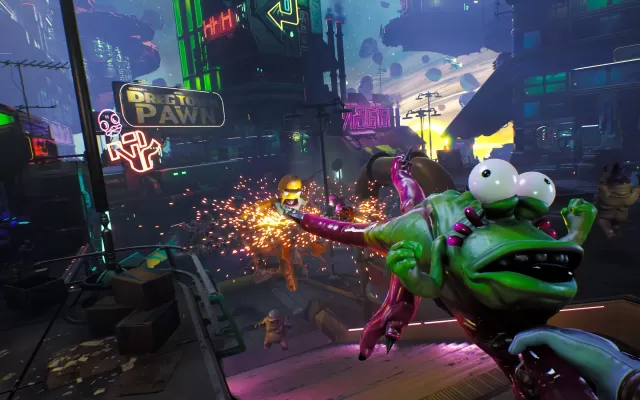
This policy revelation comes during a period of renewed momentum for the publisher. The record-breaking launch of Resident Evil Requiem, which sold six million copies in under three weeks, has been a significant highlight. Positive reception for Monster Hunter Stories 3 and anticipation for Pragmata have also contributed to an optimistic outlook, helping to offset the softer-than-expected performance of Monster Hunter Wilds.
Capcom Draws a Clear Line on AI Implementation
In a recent investor dialogue, Capcom explicitly stated that it "will not implement the materials generated by our AI into game content." This definitive stance aims to preserve the human craftsmanship central to their titles. However, the company concurrently plans to "actively utilize" AI technology in other facets of production. It identified graphics, sound, and programming as key areas where AI could enhance operational efficiency, though specific applications remain undisclosed.
This position may serve as a proactive measure to avoid controversies that have recently impacted other developers. Notably, Pearl Abyss, the studio behind Crimson Desert, faced player backlash after AI-generated assets were discovered in the game, which the developer attributed to unfinished placeholder content.
Building on a Foundation of Cautious Experimentation
Capcom's current stance expands upon earlier experimentation. In mid-2025, technical director Kazuki Abe revealed the company was testing generative AI as a brainstorming aid for conceptualizing items and environments. These AI-generated ideas would then be handed off to artists for full realization. The latest statements indicate a desire to broaden this supplemental use into more technical and asset-production pipelines, potentially including tools for upscaling or sound design, without crossing the line into final creative content.
This balanced philosophy mirrors that of other prominent studios like Larian, which has also championed AI for improving developer productivity while vowing not to include AI-generated art in its finished games. Capcom reinforced this human-centric focus by separately emphasizing plans to increase its development staff alongside its AI efficiency goals.
A New Era of Scrutiny Begins
These strategic declarations coincide with a significant shift in Capcom's investor landscape. The acquisition of a 5.03% stake by a major Saudi Arabian investment firm is likely to increase external scrutiny of the company's decisions. As Saudi investments in gaming often attract controversy, and with AI remaining a sensitive topic, Capcom's carefully delineated policy may serve to navigate this increased attention while focusing on its continued development success.