Beat Tech Neck: Simple Moves for a Healthier Neck
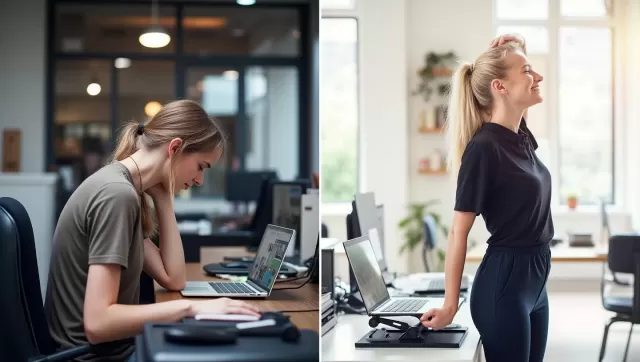
Are you hunched over your device, neck craned like a question mark? It's time to pause and check in with your neck. The reality of modern life, from desk jobs to endless scrolling, means we often hold static, unnatural positions for too long. This builds tension and stiffness that can radiate through your entire upper body. The good news? Experts agree that simple adjustments to how we move can significantly alleviate this strain and protect your neck health.
Resetting with Micro-Breaks
Desk workers, take note: aiming to interrupt prolonged sitting every 30 to 45 minutes is crucial. Dr. Rocco Cavaleri, a senior lecturer in physiotherapy, emphasizes that even 60 to 90 seconds of standing can make a difference. These "active breaks" are powerful tools for reducing neck and back discomfort, as well as overall office stress. While you're up, take a few deep breaths, gently roll your shoulders back, and try some slow head turns from side to side. Don't forget to stretch your chest too!
Julia Treleaven, an associate professor at the University of Queensland, advocates for regular posture checks. Every half hour, dedicate about 10 seconds to consciously correcting your posture. This involves elongating the back of your neck and actively setting your shoulder blades apart. Integrating a short 30-60 second walk during these breaks can further enhance their benefits.
Varying Your Tasks to Prevent Stiffness
Listen to your body's signals. Dr. Poonam Mehta, a senior lecturer in physiotherapy, urges us not to ignore tension or discomfort, as these are clear cues to move. If leaving your workstation isn't an option, try varying your tasks every hour. For instance, if you've been typing intensely for 60 minutes, switch to a non-screen activity like taking a phone call or making a cup of tea.
Bringing Devices to You, Not the Other Way Around
"Taming tech neck" starts with positioning your devices correctly. Dr. Cavaleri recommends bringing your screens closer to eye level. Simple habits, such as using a laptop riser or placing your phone on a stand, can dramatically reduce the strain on your neck.
Ensure your workstation setup promotes good posture. Check that your elbows and knees are bent at a 90-degree angle, your screen is at eye height, and your keyboard and mouse are within easy reach. If you use dual monitors, make sure they are at the same correct height and position, with your primary screen directly in front to prevent twisting. Occasionally shifting your monitor slightly can also encourage gentle neck rotation, preventing you from getting "stuck" in a fixed gaze.
Gentle Stretches for Neck Health
Resist the urge to "crack" your neck or engage in forceful, repetitive self-manipulation. While it might offer temporary relief, experts warn that these actions are risky and ultimately unhelpful. Instead, focus on gentle mobility exercises performed a few times daily, even while seated.
Try the "bow and arrow" stretch: sit with arms extended forward, palms touching. Slide one hand back along your other arm, drawing your elbow back as if pulling a bowstring. Allow your head to follow the movement of your elbow, gently rotating to look behind you. Slowly return to the starting position and repeat on the other side.
For smaller, controlled movements, try slow, deliberate neck nods. Other effective micro-stretches include:
- Side Rotations: Keeping your shoulders still, slowly turn your head to look over your left shoulder, then slowly to your right.
- Ear-to-Shoulder: Gently drop your ear towards your shoulder without lifting the shoulder up to meet it.
Aim for up to 30 repetitions of these gentle stretches if comfortable.
The Power of Regular Movement
Consistent physical activity is fundamental for both neck and overall musculoskeletal health. Consider incorporating walking meetings, taking the stairs, enjoying a brisk lunch break walk, or cycling to and from work. Aiming for 30-60 minutes of moderate activity most days is a beneficial goal. Even with mild neck pain, continuing gentle movements can prevent stiffness and keep your neck from freezing up.
Addressing Stress and Prioritizing Sleep
We often unconsciously carry stress in our neck muscles. Dr. Stubbs points out that a significant contributor to neck pain is unconscious muscle tensing, particularly in the trapezius muscles. During your breaks, take a moment for mindfulness. Ask yourself, "Am I tensing my shoulders?" If so, consciously drop them and relax your jaw.
Effectively managing stress and prioritizing quality sleep are paramount. Establishing routines like a short wind-down stretch before bed, engaging in breathing exercises, or taking a relaxing walk can significantly lower muscle tension and improve sleep quality. Pay attention to your sleep posture too; ensuring your neck is supported and in a neutral, comfortable position can prevent unnecessary strain overnight.